Non-engineers at Ramp opened 7,000 PRs in a quarter. Instead of mandating AI, it made every agent session public
Nov 25, 2026Original Y Combinator(에릭 글리먼 인터뷰) · AI Engineer(잭 브루그먼 강연) · InfoQ · The Next Web ↗
In 3 lines
- About 75% of Ramp's code is written by its in-house agent, and usage was never mandated
- Every session is public inside the company; people learn by watching, and reviewers see the chat and verification video
- 7,000 PRs from non-engineers in Q2; Glyman: don't cap token budgets, tie spend to outcomes

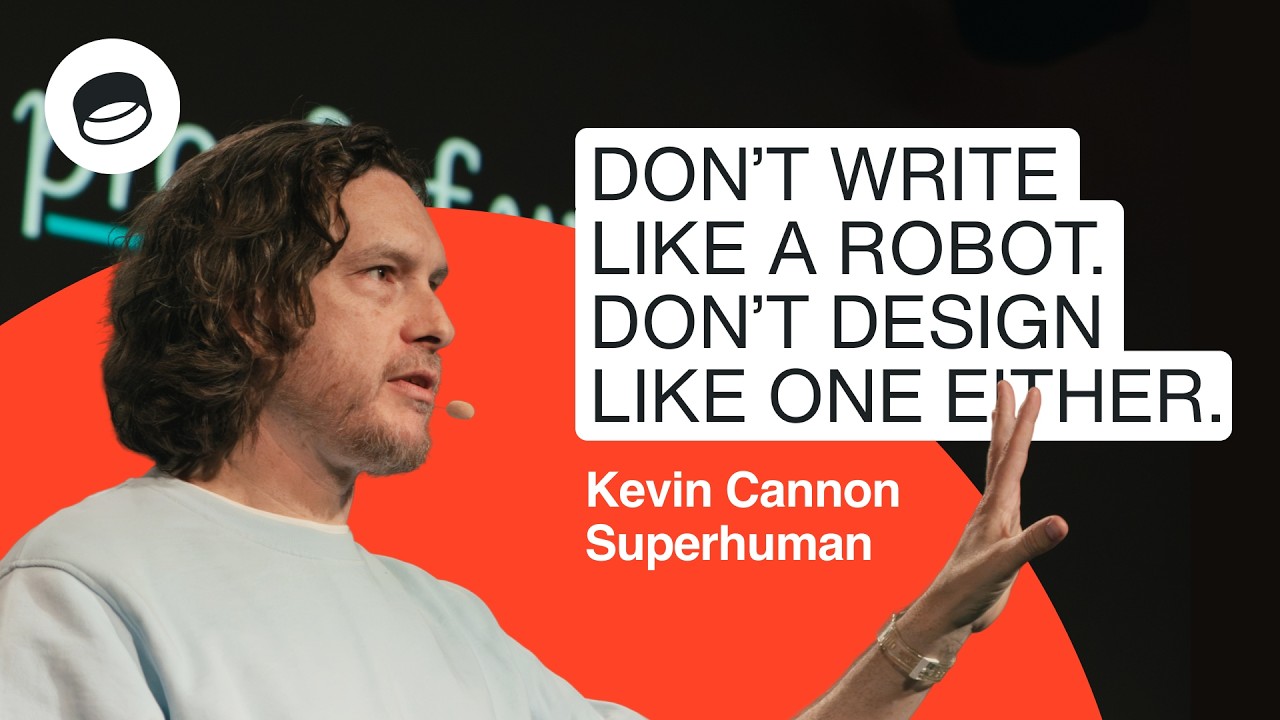
At Ramp, the US fintech that started with a corporate card and is now valued at $60 billion, the in-house coding agent Inspect writes about 75% of the code. Co-founder and CEO Eric Glyman said in a Y Combinator conversation released Nov. 18 that the company never mandated AI tools, and that non-engineers alone opened 7,000 pull requests in the second quarter. Zach Bruggeman, an engineer on Inspect, said in a talk posted Nov. 20 that culture mattered more than technology. We summarized both videos with reporting from InfoQ and The Next Web and a keynote by Gergely Orosz.
Chapter two of a $60 billion company
Ramp launched a corporate card seven years ago with one promise: save companies time and money. On Oct. 15 it raised $1.85 billion at a $60 billion valuation, with annualized revenue above $2 billion. Talking with YC's Garry Tan, Glyman described the company's second chapter as rethinking how an organization should be designed now that this kind of intelligence exists. Most people have yet to bring AI into their own work, he said, and even fewer organizations have asked whether they are designed the right way.
1% use 80% of the tokens, even inside one company
Ramp's spending data shows that the top 1% of firms account for 80% of spend on OpenAI and Anthropic. Glyman said the same thing happened inside Ramp. Some engineers became 10x or 100x more productive while designers got about 2x and product managers about 5x, breaking the traditional ratio of six to eight engineers per PM and designer. Hiring requests even showed an inverse correlation: teams using less AI tended to ask for more people.
Growing 100% a year, and still a hiring freeze
Earlier this year, with revenue growing more than 100% a year, Ramp stopped hiring for a whole quarter. Glyman said learning AI couldn't be something done in 5% of your time; it needed to be a core competency. He compared it to giving a Windows Excel expert from finance a Mac: even the same program on a different OS is hard, so asking someone to change 20 years of habits for AI is a far bigger ask. The focus, he said, was creating the conditions for each person's "aha moment."
From 30% to 75% without a mandate
Inspect began a year ago as a side project. Every session runs remotely in a cloud sandbox, is fully multiplayer, and is wired into company data and tools from the start. InfoQ reported in January that it accounted for about 30% of merged PRs; Bruggeman now puts it at around 75% of code written and shipped, and Glyman said 85%-plus of pull requests. "We've never needed to mandate usage," Bruggeman said, because a solid company-wide baseline removed the 15 minutes of setup that, multiplied across an organization, adds up to days.
Zach Bruggeman · InfoQ · YouTube · AI Engineer ↗Public sessions instead of training
Ramp doesn't run formal "how to use AI" training. Inspect sessions are public within the company by default, so working in public is easier than working in private. People learn by watching how teammates prompt and break down hard problems in channels they already use, and can even ask Inspect to read a colleague's recent sessions and explain how they work. When someone finds a better approach, it goes into the single company-wide Inspect, so everyone benefits without relearning it.
Zach Bruggeman · YouTube · AI Engineer ↗Reviewing the conversation, not a 400-line diff
Bruggeman called adopting agentic coding "a massive trust building exercise" for every engineer this year. At Ramp, a reviewer doesn't just see a diff dropped over the wall; they see the conversation behind the change, the tools Inspect used, before-and-after screenshots, and a recording of a verification agent clicking through the app in a browser. When a colleague reported an Inspect bug in February and said he'd just use Claude Code, the team kept digging in a public thread. Within an hour, he said, a skeptical user became an engaged colleague who wanted to build together.
Zach Bruggeman · YouTube · AI Engineer ↗7,000 PRs from non-engineers, mostly customer experience
Glyman said non-engineers created 7,000 pull requests in the second quarter, most of them from the customer experience team; two years ago the number was functionally zero. Problems that once meant a ticket, a PM to convince, a designer and an engineer, and a two-month wait, or a "P3, won't fix," now get fixed the same day by the person talking to the customer. Tan compared it to Toyota's kaizen in the 1980s, when line workers could change the process themselves. Ramp, which used to ship one or two major releases a year, has shipped one every month for the past five months.
"A flat token budget is a bit of a silly way"
Glyman called flat AI budgets, like telling engineers they can have two Claude Max accounts and that's it, "a bit of a silly way of doing things." If someone spends $1,000 to make $10,000, he wants to throw money at them; spending the same to produce weekly prep with no value is a problem. In Glass, Ramp's internal knowledge and workflow tool, a better method found by one team becomes a shared skill and the default for others. Of 1,930 employees, 1,925 had used Glass in the previous 24 hours, he said.
Against the lone wolf, and some caveats
Bruggeman said the reverence built this year for the lone-wolf operator "can't be the endgame." Ramp's code review agent, Review Buddy, was built on Inspect by two engineers who didn't ask permission. Both videos, though, come from a company that has started selling Inspect and Glass. A share of PRs is not a share of work, and Gergely Orosz, who noted that Ramp now trusts engineers to skip reviews on non-critical code, also pointed to product quality slipping across the industry.
Zach Bruggeman · Gergely Orosz · YouTube · AI Engineer · LeadDev ↗Comments 0
Select a sentence in the story (long-press on phones) to comment on it.